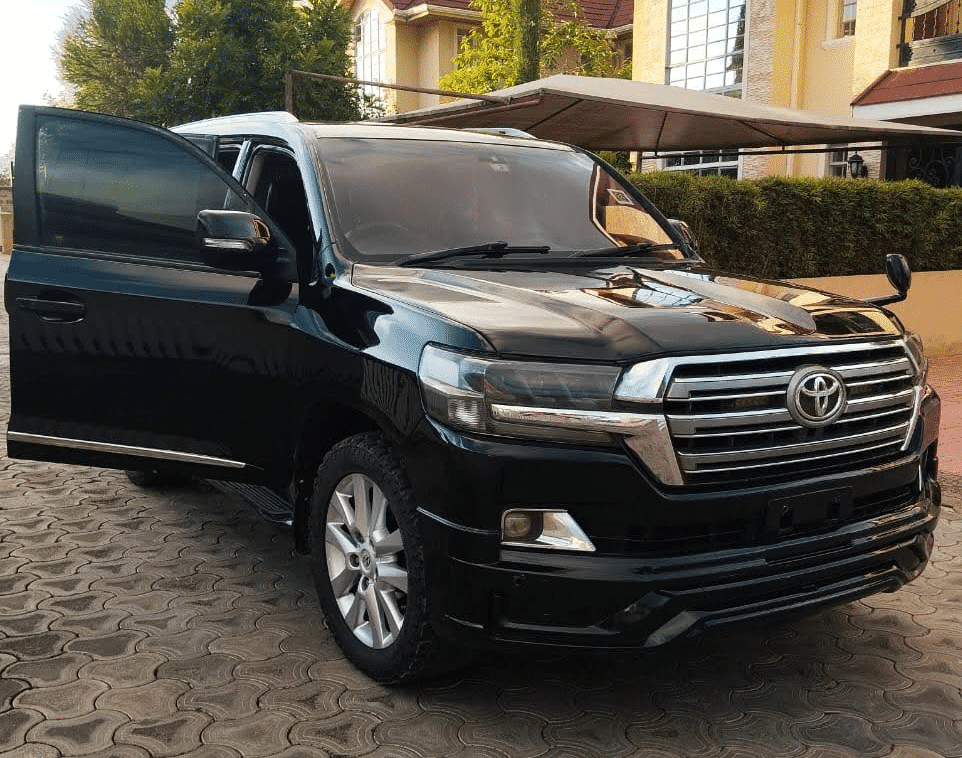
Nairobi is the undisputed safari capital of the world, but the true magic lies just beyond the city limits. Within a few hours’ drive, you can find yourself tracking the Big Five across golden savannahs, hiking through misty mountain forests, or watching flamingos take flight from alkaline lakes. However, the vehicle you choose can make or break these adventures. A standard sedan might get you from point A to B on tarmac, but it will struggle—and possibly fail—once the pavement ends. That’s where an SUV for hire becomes not just a convenience, but an absolute necessity. From the corrugated roads of the Maasai Mara to the muddy slopes of the Aberdares, a sport utility vehicle gives you the confidence to explore Kenya’s wild heart without limitations.
So what exactly qualifies as an SUV for hire in Nairobi? The term covers a wide range of vehicles, from compact crossovers like the Toyota RAV4 and Honda CR-V to full-size off-roaders like the Toyota Land Cruiser Prado and Nissan Patrol. Each serves a different purpose. A compact SUV is perfect for a couple or small family planning to stick mostly to paved roads with occasional gravel detours. A mid-size SUV like the Mitsubishi Pajero Sport or Ford Everest offers a balance of comfort and capability for longer safaris. And a heavy-duty SUV for hire like the Land Cruiser 70 Series is designed for expeditions into truly remote terrain. The key is matching the vehicle to your itinerary.
Why choose an SUV for hire over a sedan or a minivan? The answer lies in ground clearance. Most sedans have 140–160mm of clearance, which is fine for speed bumps and smooth roads. But a typical unpaved safari track has ruts, rocks, and erosion gullies that demand at least 200mm. A proper SUV for hire offers 200–250mm, allowing you to straddle obstacles without scraping the undercarriage. Additionally, SUVs feature reinforced suspension components, skid plates, and all-terrain tires that resist punctures. When you’re 50 kilometers from the nearest mechanic, these differences matter enormously. Renting an SUV for hire is essentially buying insurance against breakdowns that could ruin your once-in-a-lifetime trip.
Another compelling reason to book an SUV for hire is the driving position. Sitting high above traffic gives you a commanding view of the road, which is invaluable in Nairobi’s chaotic mix of matatus, pedestrians, and livestock. You can see over bushes on game drives, spot wildlife from a distance, and anticipate potholes before they swallow your wheels. For photographers, an SUV for hire often comes with roof hatches or sunroofs that allow you to shoot safely from inside the vehicle. Many models also have rear windows that open independently, perfect for framing that lioness lounging in the grass. The elevated perspective changes everything.
Now, let’s discuss the most popular SUV for hire categories in Nairobi. The Toyota RAV4 is the undisputed king of compact SUVs. It’s fuel-efficient, reliable, and parts are available everywhere. You can rent a RAV4 for as little as KSh 5,000 per day, making it an affordable entry point into SUV driving. Next up is the Nissan X-Trail, which offers a slightly larger boot and a more plush interior. For those wanting a rugged image, the Subaru Forester has a loyal following thanks to its symmetrical all-wheel-drive system. However, for serious off-roading, you’ll want a ladder-frame SUV like the Toyota Fortuner or Mitsubishi Pajero Sport. These true SUVs have low-range gearing and can tow trailers or boats. A premium SUV for hire agency will stock all these options.
What about fuel economy? Many travelers assume an SUV for hire will guzzle petrol, but modern diesels are surprisingly efficient. The Toyota RAV4 diesel can achieve 15 km/l on the highway, while the Fortuner manages around 12 km/l. That’s not far off a sedan’s consumption, especially when you factor in the SUV’s larger fuel tank (60–80 liters versus 45 liters). Some SUV for hire companies offer hybrid models like the Toyota Harrier Hybrid, which combines electric motors with a petrol engine for even better mileage. Always ask about the vehicle’s fuel type and average consumption before booking. A diesel SUV for hire will typically cost less to run over long distances because diesel is cheaper per liter in Kenya.
Now, let’s talk about specific destinations where an SUV for hire shines. Nairobi National Park is accessible by sedan, but the best game-viewing tracks are rough. With an SUV, you can venture off the main loops and find hidden waterholes. The drive to Lake Magadi, south of Nairobi, includes 30 kilometers of sharp volcanic rock that will shred regular tires. An SUV for hire with all-terrain rubber handles it with ease. Heading west to Hell’s Gate National Park, the road from Naivasha town to the park gate has several dips that bottom out low cars. An SUV glides through. For the ultimate test, drive north to Samburu National Reserve via the Isiolo–Maralal road. That route has sections of loose sand and steep ascents where only a true 4×4 SUV for hire will do.
Families will especially appreciate an SUV for hire for the extra space. A typical five-seat SUV has a boot capacity of 500–600 liters, enough for three suitcases, a stroller, and a cooler box. Many SUVs also have roof rails, allowing you to attach a cargo box for even more storage. Inside, the rear seats often recline and slide, giving growing children more legroom. Some models have rear entertainment screens or USB ports to keep devices charged. When you’re traveling with kids, these small comforts prevent meltdowns on long drives. A well-chosen SUV for hire turns a potentially stressful journey into a relaxed family road trip.
For couples or solo adventurers, an SUV for hire offers a romantic sense of freedom. Imagine driving to the Ngong Hills with a picnic basket in the back, then raising the tailgate to watch the sunset over the Rift Valley. Or taking a spontaneous detour to a coffee farm in Kiambu without worrying about scraping the car’s underside. The versatility of an SUV means you can say “yes” to unplanned adventures. Many SUV for hire companies offer special weekly rates for such travelers, sometimes including a free second driver or a discounted GPS rental. You can even request a vehicle with a factory-fitted safari rack for mounting cameras or binoculars.
Now, what about insurance for an SUV for hire? Given the higher value of these vehicles (a new Fortuner costs around KSh 5 million), rental companies are understandably cautious. Most include comprehensive insurance with a deductible (excess) of KSh 50,000–100,000. For peace of mind, purchase the zero-excess waiver for an additional KSh 1,000–2,000 per day. This covers everything except gross negligence (e.g., driving under the influence). Also verify that the policy includes off-road cover. Some standard policies exclude “driving on unpaved roads,” which would be absurd for an SUV for hire in Kenya. A reputable agency will provide a separate off-road rider. Read the fine print or ask directly.
How do you find a trustworthy SUV for hire provider in Nairobi? Start with online reviews on Google Maps and TripAdvisor. Look for patterns: repeated complaints about hidden fees or poor maintenance are red flags. Positive mentions of clean cars, fair deposit returns, and friendly staff are good signs. Next, check the agency’s fleet age. A professional SUV for hire company will rarely rent vehicles older than five years. They’ll also have a visible physical address, not just a phone number. When you visit, inspect the SUVs yourself. Look for even tire wear, clean oil dipsticks, and functioning air conditioning. If the agent rushes you or refuses a test drive, walk away. There are plenty of honest operators in Nairobi.
Booking an SUV for hire online is straightforward, but timing matters. Peak seasons (July–October, December–March) see high demand, especially for popular models like the RAV4 and Fortuner. Book at least two weeks in advance to secure your preferred vehicle. Many websites offer a “pick your car” feature with real-time photos. Some even allow you to filter by transmission (automatic is strongly recommended for Nairobi traffic), fuel type, and seating capacity. After booking, you’ll receive a confirmation voucher. Print it or save it on your phone. On pickup day, arrive with your driver’s license (both your home country license and an International Driving Permit are recommended) and a valid credit card for the deposit.
What about driving an SUV for hire in Nairobi city center? The wide turning circle and large dimensions can be intimidating at first. Practice in low-traffic areas like the suburbs of Kilimani or Lavington before tackling the Central Business District. Use your side mirrors extensively when parallel parking. Avoid narrow streets like River Road or Moi Avenue during business hours—instead, park at a secure lot like Junction Mall or Sarit Centre and walk. Also be mindful of height restrictions in older parking garages; many have 1.8-meter clearance, while some SUVs stand 1.9 meters. A good SUV for hire agency will inform you of the vehicle’s exact height. When in doubt, park on the street or in open-air lots.
Long-term rentals of an SUV for hire are increasingly popular among expats. A three-month rental can cost as little as KSh 80,000 per month for a RAV4, including full insurance and two free services. That’s cheaper than leasing a new car, and you can upgrade or downgrade as your needs change. Some companies offer a “try before you buy” program: rent an SUV for hire for a month, and if you decide to purchase a similar model from their affiliated dealership, the rental fee is deducted from the purchase price. This is a smart option for newcomers who aren’t ready to commit to buying a car in Kenya’s used-vehicle market.
Finally, let’s address the environmental angle. Modern SUVs are cleaner than ever, with many meeting Euro 6 emission standards. If you’re eco-conscious, ask about hybrid SUV for hire options. The Toyota Harrier Hybrid and RAV4 Hybrid use electric motors to reduce fuel consumption by up to 30%. Some agencies also participate in carbon offset programs, planting trees for every 1,000 kilometers driven. While an SUV will never be as efficient as a small hatchback, the difference is narrowing. And when you consider that a shared SUV for hire carrying four people has a lower per-person carbon footprint than four separate taxis, the math looks better. Choose an agency that prioritizes regular maintenance, because a well-tuned engine burns less fuel and emits fewer pollutants.
Are you ready to elevate your Nairobi experience? The best SUV for hire fleet in the city is waiting for you at https://carhirenairobi.co. Whether you need a compact RAV4 for a weekend city break or a rugged Fortuner for a two-week safari, their selection of late-model, meticulously maintained SUVs will exceed your expectations. Every SUV for hire comes with 24/7 roadside assistance, comprehensive insurance options, and unlimited mileage on most plans. Their friendly team can even deliver the car to your hotel or the airport. Don’t let rough roads or limited mobility hold you back. Book now and drive into your Kenyan adventure with total confidence. The wild is calling—answer it from the driver’s seat of the perfect SUV.